RIO TINTO — PALABORA MINING
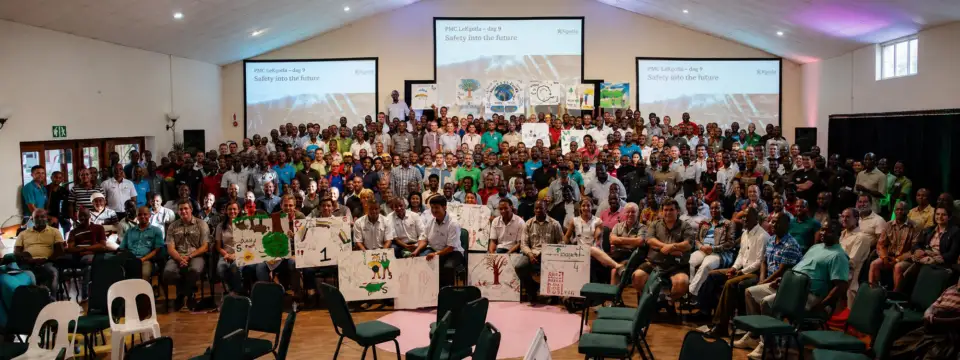
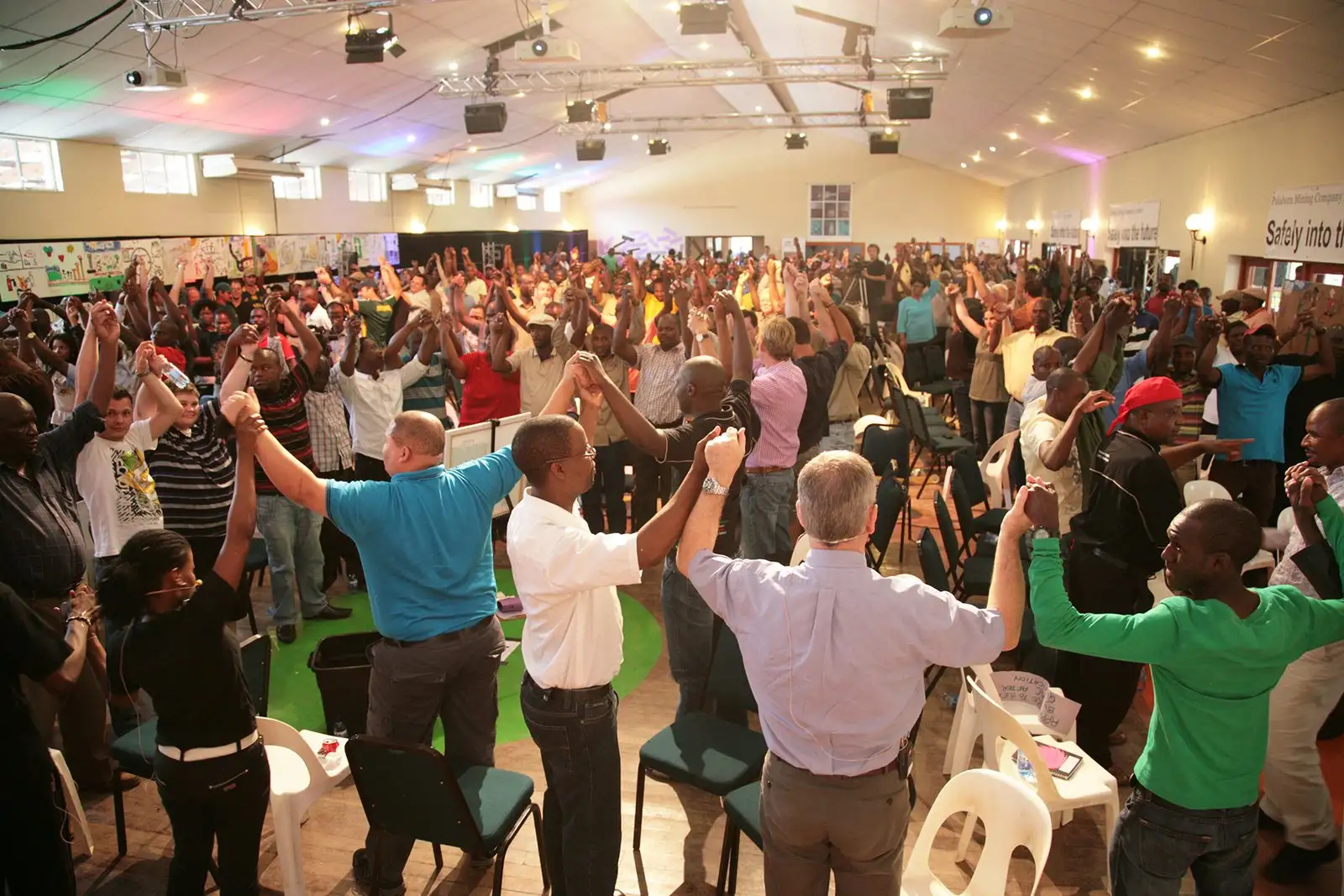
3,800 voices, 36 decisions, one mine’s path back to safety.
Learn more about Rio Tinto — Palabora

A journey of more than twenty years exploring dialogue, leadership and human potential.
In Botswana, the Kgotla is the village assembly: a place where every member of the community has the opportunity to speak, where leaders listen carefully before making decisions and where authority is strengthened — not weakened — through participation.
This principle became the foundation of Leadership Through Dialogue, a methodology that combines strong leadership with collective wisdom rather than treating them as opposites.
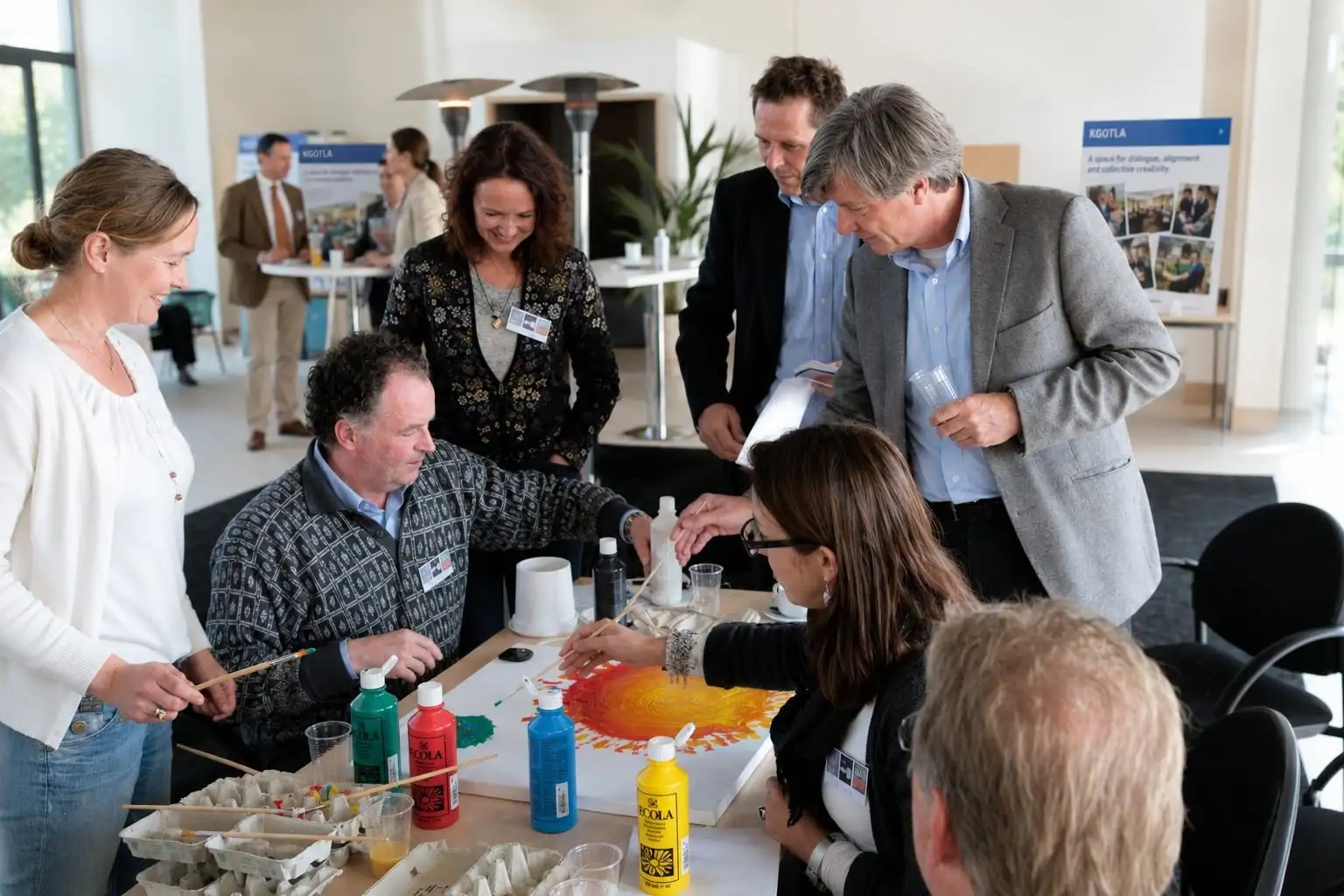
The answer was not found in boardrooms or management textbooks, but through years of learning from different cultures, artists, academics and organisational leaders.
The story began when Willem and Jansje de Liefde moved to Johannesburg, South Africa. There they became immersed in Ubuntu — the African belief that “I am because we are.” They met influential African thinkers including Professor Lovemore Mbigi and members of the Mandela family, and together with German artist Klaus Elle, Willem developed the first manuscript that later became African Tribal Leadership.
As relationships in Botswana deepened through members of the Khama family, Kgotla gained a richer understanding of the traditional village assembly.
Inspired by these experiences, Martijn de Liefde founded The Kgotla® Company in 2003. Rather than simply teaching leadership theory, the ambition was to translate African dialogue traditions into practical methods that organisations could use during periods of transformation — for clients including KLM, Rio Tinto, Rabobank, British Telecom and the Dutch Red Cross, as well as healthcare, education and government organisations.
For more than ten years, Kgotla organised leadership programmes in South Africa and Botswana with Sioo, the Dutch Inter-University Centre for Organisation and Change Management — bringing executives, academics and consultants to experience dialogue not as a theory, but as a lived practice.
During these years, Kgotla worked closely with respected organisational thinkers including Professor Jaap Boonstra — Professor of Management of Change at the University of Amsterdam and former Rector of Sioo — whose work on organisational change, leadership and learning complemented many of the ideas developed within Kgotla.
Leadership was never studied only inside meeting rooms. Many insights emerged while travelling through the African bush, national parks and nature reserves — through the rhythm of nature, storytelling around campfires and encounters with indigenous communities. The lesson: good leadership begins by observing before acting, and by listening before deciding.
The African continent became a living classroom where business leaders could experience how community, respect, dignity, trust and humanity form the foundation for sustainable leadership. In Botswana, the Kgotla showed that authority is strengthened — not weakened — when every member of the community has the opportunity to speak.
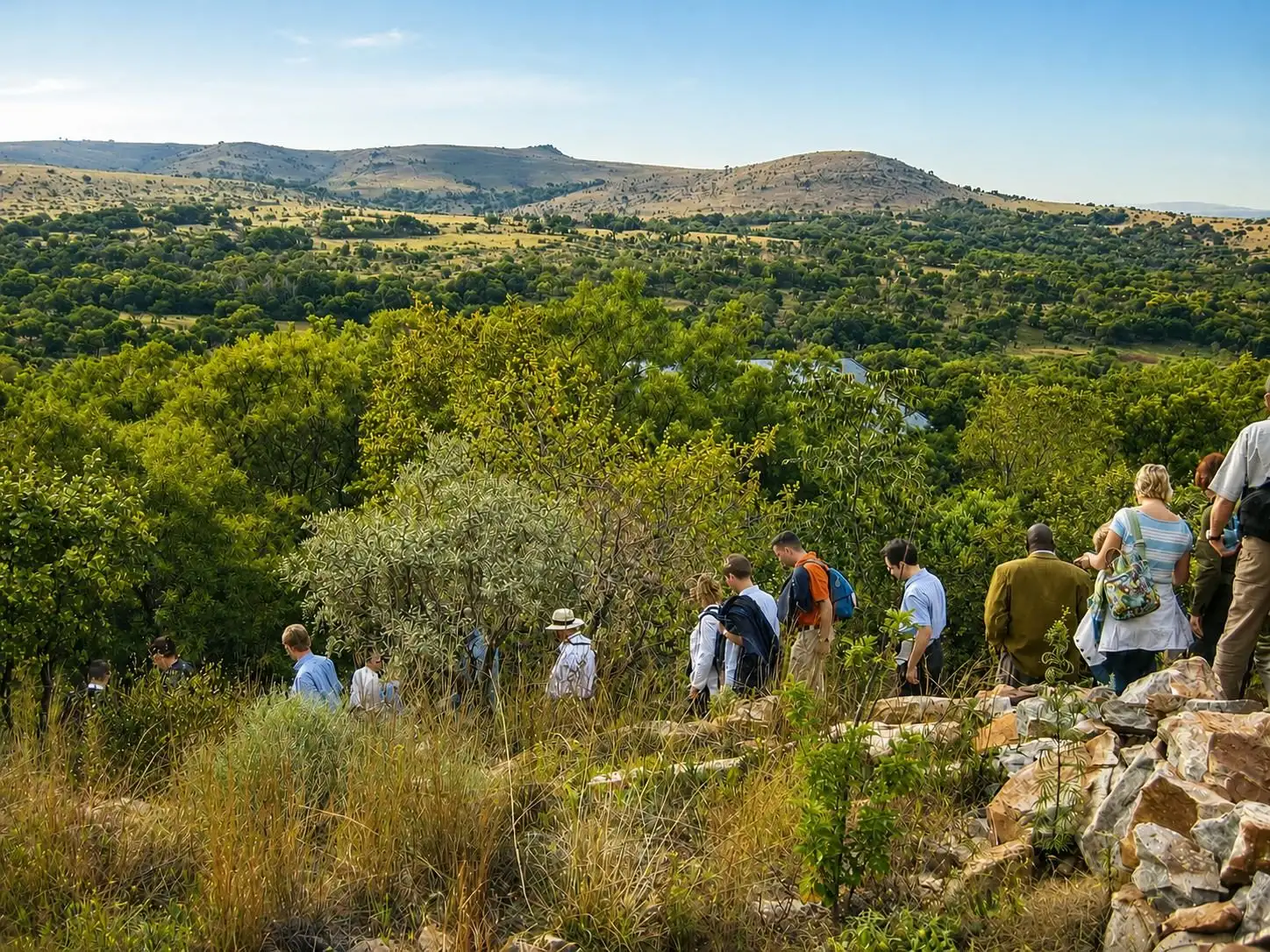

Africa as a living classroom
For more than ten years, Kgotla organised leadership programmes in South Africa and Botswana with Sioo, the Dutch Inter-University Centre for Organisation and Change Management — bringing executives, academics and consultants to experience dialogue not as a theory, but as a lived practice.
During these years, Kgotla worked closely with respected organisational thinkers including Professor Jaap Boonstra — Professor of Management of Change at the University of Amsterdam and former Rector of Sioo — whose work on organisational change, leadership and learning complemented many of the ideas developed within Kgotla.
Leadership was never studied only inside meeting rooms. Many insights emerged while travelling through the African bush, national parks and nature reserves — through the rhythm of nature, storytelling around campfires and encounters with indigenous communities. The lesson: good leadership begins by observing before acting, and by listening before deciding.
The African continent became a living classroom where business leaders could experience how community, respect, dignity, trust and humanity form the foundation for sustainable leadership. In Botswana, the Kgotla showed that authority is strengthened — not weakened — when every member of the community has the opportunity to speak.


We facilitate dialogue and decision-making using the wisdom of your people. We start a fire, manage the fire and keep the fire burning.
After more than a decade of work in Europe and Africa, Kgotla’s focus gradually expanded towards Asia.
The rapid development of China and the wider Asian region brought new perspectives on leadership: harmony, long-term thinking and collective responsibility.
Rather than replacing the African foundations, these Eastern perspectives complement them. Both put relationships over individualism, listening over confrontation and harmony over division.

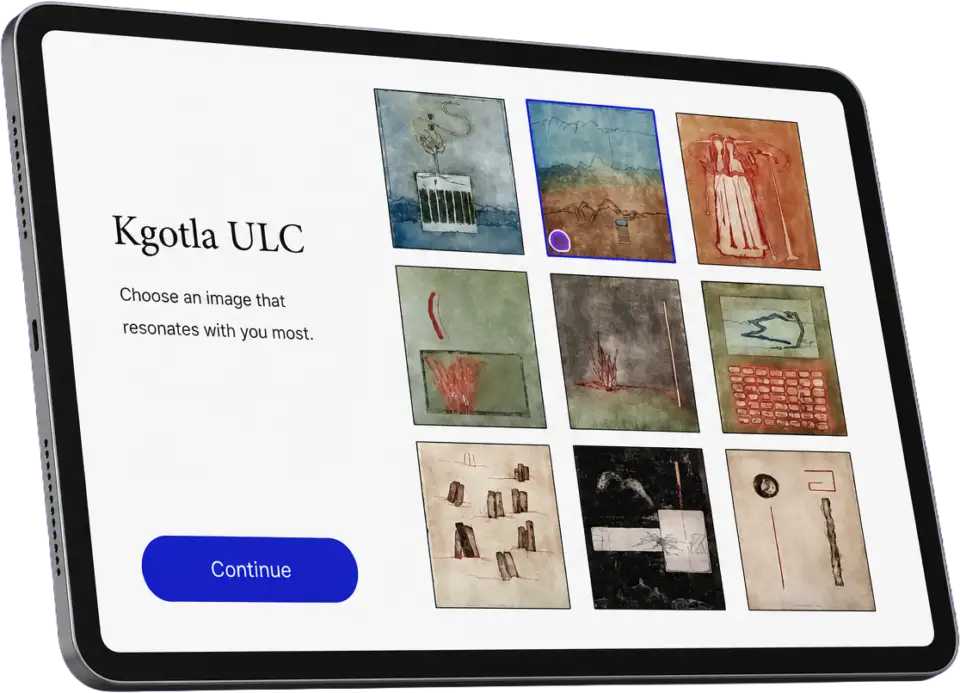
At the heart of the Kgotla method is the Universal Life Cycle, developed by Willem H.J. de Liefde in 1994. Its symbolic etchings by Dutch artist Jan Montyn are not illustrations but metaphors — helping people reach insights that traditional questionnaires often cannot.
RECOGNITION
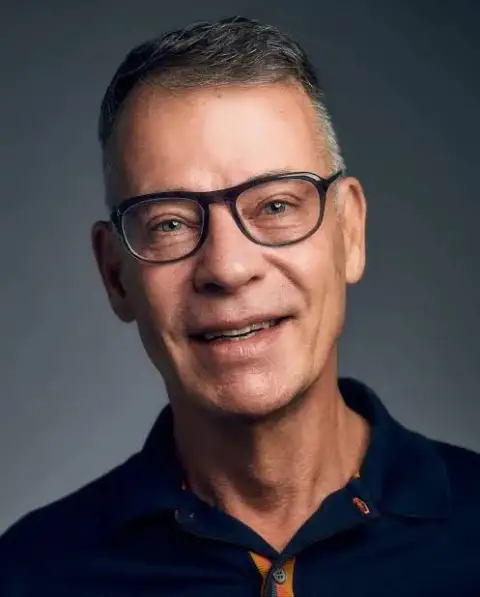
“An inspiring combination of management, art, science and philosophy.”
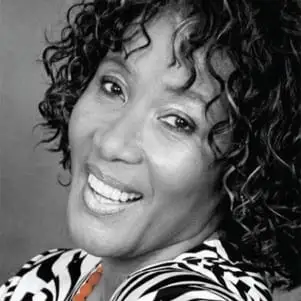
“A meeting of souls from Africa and Europe… an invitation to all who are searching for a source of change and willing to look beyond the surface of things.”
GLOSSARY

Attentive listening means giving someone your full attention without preparing an argument or rushing to respond. In a Lekgotla, the leader listens, observes and asks questions before making a balanced decision. This approach helps reveal the needs, experience and wisdom within a group.
Bagakolodi are wise people or senior advisers whose knowledge and experience can guide a community. Their contribution may carry special weight during a Lekgotla because they help the group see an issue from a wider perspective. Wisdom, moral integrity and service matter more than age alone.
Bogosi is the system or institution of traditional leadership associated with a Kgosi. It connects leadership with responsibility to the people, the community and its traditions. In Kgotla leadership, authority is strengthened by consultation, trust and public respect.
Co-creation is a process in which people develop ideas and solutions together instead of receiving a plan made for them. It brings community members, leaders and other stakeholders into the same conversation. The result is more likely to reflect local knowledge and inspire shared ownership.
Collective wisdom is the knowledge and insight that emerge when many people contribute their experiences and viewpoints. A Kgotla dialogue makes this wisdom visible by allowing every voice to be heard. It can lead to decisions that are more balanced and better understood by the whole group.
Community leadership puts the wellbeing of the group at the centre of decisions. The leader creates trust, listens to different voices and keeps people connected to a shared purpose. Leadership is therefore measured not only by authority, but also by service and the confidence of the community.
Consent-based decision-making seeks an outcome that people can accept and support, even when it is not everyone's first choice. Participants are heard before the leader or group brings the dialogue to a clear conclusion. The aim is a workable decision that makes sense to the community and encourages shared responsibility.
A council of elders is a group of trusted people who advise the leader and represent the conscience of the community. Members are valued for their expertise, integrity, experience and wisdom rather than simply their age. In a modern organisation, this role can be filled by respected people from different levels and functions.
Dialogue is an open exchange in which people listen to understand, not simply to win an argument. A Kgotla dialogue brings different viewpoints together on a basis of respect and equality. Its purpose is to create insight, strengthen relationships and move towards a decision.
Dikgosana are local traditional leaders or representatives who assist the Kgosi and connect leadership with villages or sections of the community. They help bring local knowledge and concerns into the wider Kgotla process. The singular form used in the books is Kgosana.
In Kgotla leadership, elders are people recognised for wisdom, moral integrity and service to the community. They do not necessarily have to be the oldest participants. Their experience helps place problems in perspective and supports responsible decisions.
Freedom of speech in a Kgotla means that participants can speak honestly without fear of punishment or loss of status. Each contribution is addressed to the community and treated as part of the search for truth. Trust and respect are essential for this openness to work.
Innovation within tradition means creating new solutions while respecting the values and knowledge carried by a community. It does not treat tradition as fixed or outdated. Instead, tradition becomes a foundation for relevant change, learning and development.
A Kgosi is a traditional leader of a community, village or people in Botswana. Kgotla leadership presents the Kgosi as an accountable listener who works with advisers, weighs different views and makes decisions in service of the community. The Setswana proverb Kgosi ke kgosi ka morafe means that a chief is a chief through the people.
A Kgosana is a local traditional leader who represents or assists a Kgosi within part of a community. This role helps connect village-level experience with wider leadership and decision-making. The plural form is Dikgosana.
A Kgotla is a traditional public meeting place and an important institution of community life in Botswana. It is where people gather to discuss issues, hear different viewpoints and make decisions affecting the community. The Kgotla represents open participation, public responsibility and leadership through dialogue.
Kgotla leadership is a people-centred approach inspired by Botswana's tradition of public dialogue. The leader listens impartially, invites honest contributions and makes a decision after the community has been heard. Its core qualities include trust, respect, courage, compassion and accountability.
Kgotla revitalisation means renewing the role of the Kgotla so it remains meaningful for present and future generations. This can include connecting dialogue and decision-making with youth education, entrepreneurship and community development. The goal is to strengthen tradition by giving it relevant new functions.
A Kgotla Trade Center is a community development concept that brings together the Kgotla, a local marketplace and a centre for learning. It connects public dialogue with trade, youth empowerment and the local economy. The model is based on shared responsibility, local participation and innovation within tradition.
A Lekgotla is a meeting or dialogue process in which members of a community explore an issue and work towards a decision. Participants can share their views, stories and experience, while the leader listens and weighs what has been said. The books describe every Lekgotla as ending with a clear decision.
Morafe refers to the people or community connected through shared leadership, identity and responsibility. The concept emphasises that a leader's legitimacy comes from the people rather than from title alone. It appears in the proverb Kgosi ke kgosi ka morafe: a chief is a chief through the people.
Observant listening combines careful attention to words with awareness of emotion, behaviour and context. It helps a leader understand what people are saying and what the group needs. In the Lekgotla process, it creates space for insight before judgement.
Shared responsibility means that everyone has a part in the wellbeing and future of the community. People contribute their voice, knowledge and actions rather than leaving every problem to the leader. This creates greater ownership of both the decision and its implementation.
Storytelling in leadership uses real experiences to make a problem, value or possibility easier to understand. Stories allow participants to share truth without turning the dialogue into accusation or abstract debate. In a Lekgotla, they help connect facts with human meaning.
Truth-sharing is the practice of speaking openly and sincerely about what is happening. In a Lekgotla, it should take place without blame or negative consequences for the speaker. Honest contributions help the community understand causes, rebuild trust and find better solutions.
Ubuntu is an African philosophy that understands a person through their relationships with other people. It is often expressed through the idea, "I am because we are." Ubuntu connects leadership with care, dignity, mutual support and responsibility for the common good.
Youth empowerment gives young people the knowledge, confidence and opportunities to participate in community life. In the Kgotla programmes, it connects education and entrepreneurship with dialogue and decision-making. Young people become contributors to the community's future, not only recipients of support.
Explore these ideas in Willem de Liefde’s book “Lekgotla: The Art of Leadership through Dialogue”
Let’s set up a call to discuss where you’d like to take your company and how we can help you get there.
Language
Don’t know where to begin?
Get started©2026 Kgotla. All rights reserved.