
Skip to content
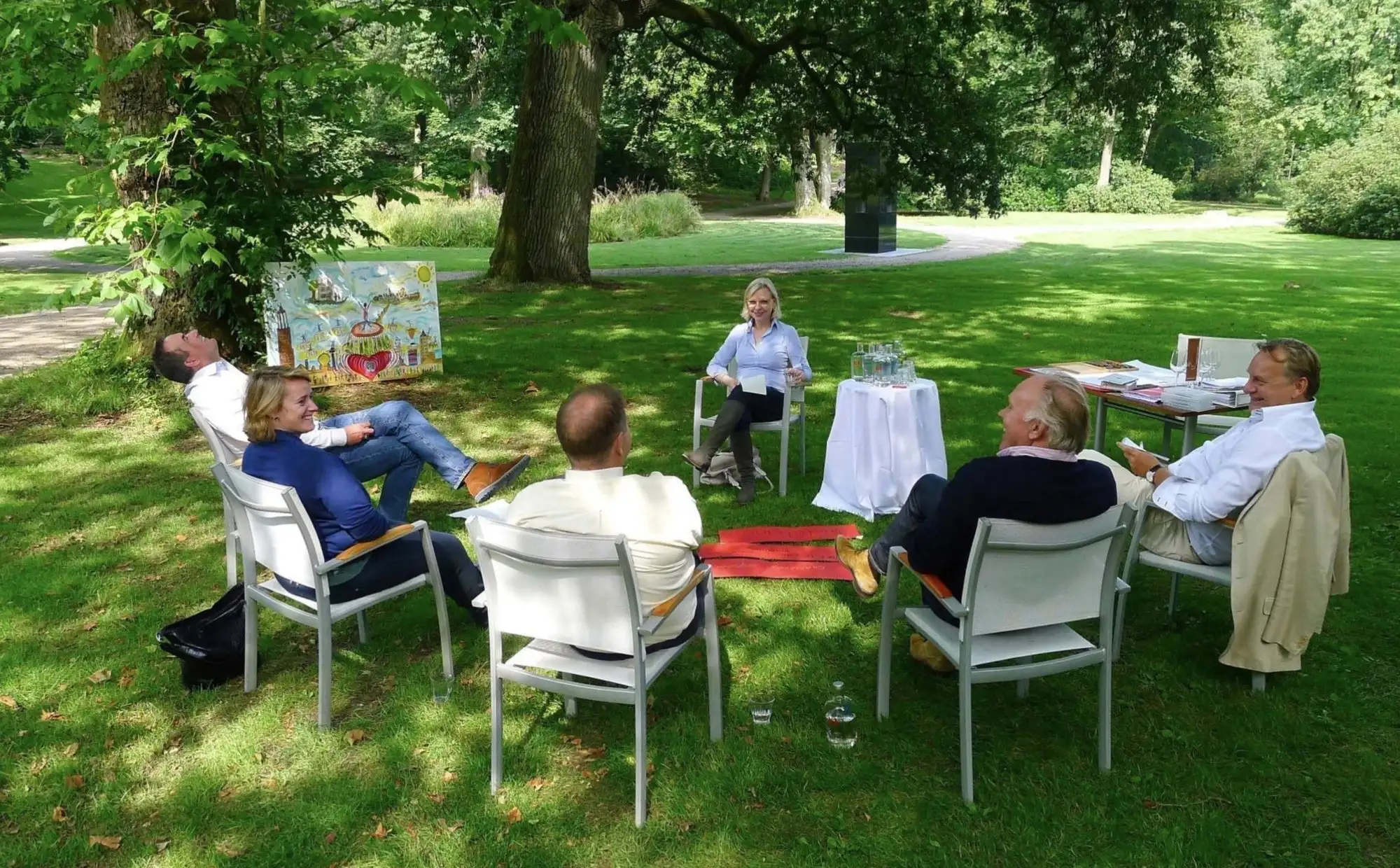
Participants in dialogue in a garden

Discover the power of Art and Silence to solve Problems in Harmony.

The Universal Life Cycle uses art as an objective mirror — helping you see what’s holding you back, individually and collectively.

How? Start your ULC Journey

The result is greater clarity, deeper awareness of problems and practical solutions.

Behind every difficult decision, organisational conflict or personal dilemma lies a deeper pattern of thoughts, emotions, beliefs and experiences. The Universal Life Cycle artwork (ULC) helps you recognise these patterns through a unique combination of art, reflection and dialogue.

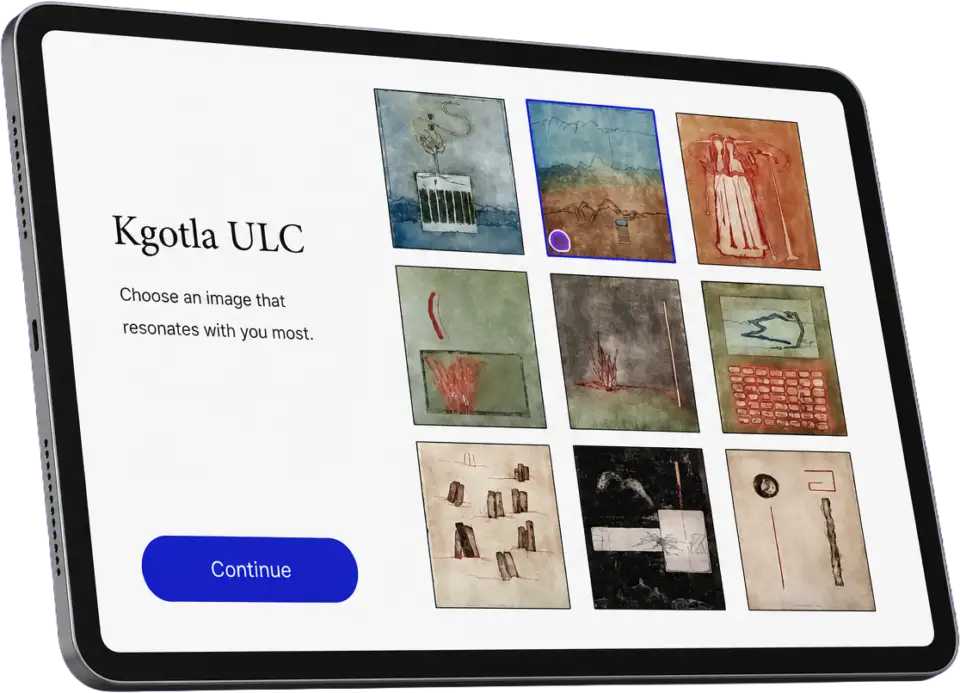
Instead of analysing problems intellectually, the ULC-artwork invites you to experience problems differently. By selecting ULC-artworks that resonate, you gain access to insights that often remain hidden beneath conscious thinking.

Who is this for?

  • Leadership Coaches

    Deepen coaching conversations through symbolic reflection and dialogue.

  • Organisations in Transformation

    Support cultural change, strategic alignment and collective learning.

  • Teams

    Create trust, strengthen collaboration and develop a shared understanding of challenges.

  • Personal Development

    Gain deeper self-awareness during periods of change, uncertainty or transition.

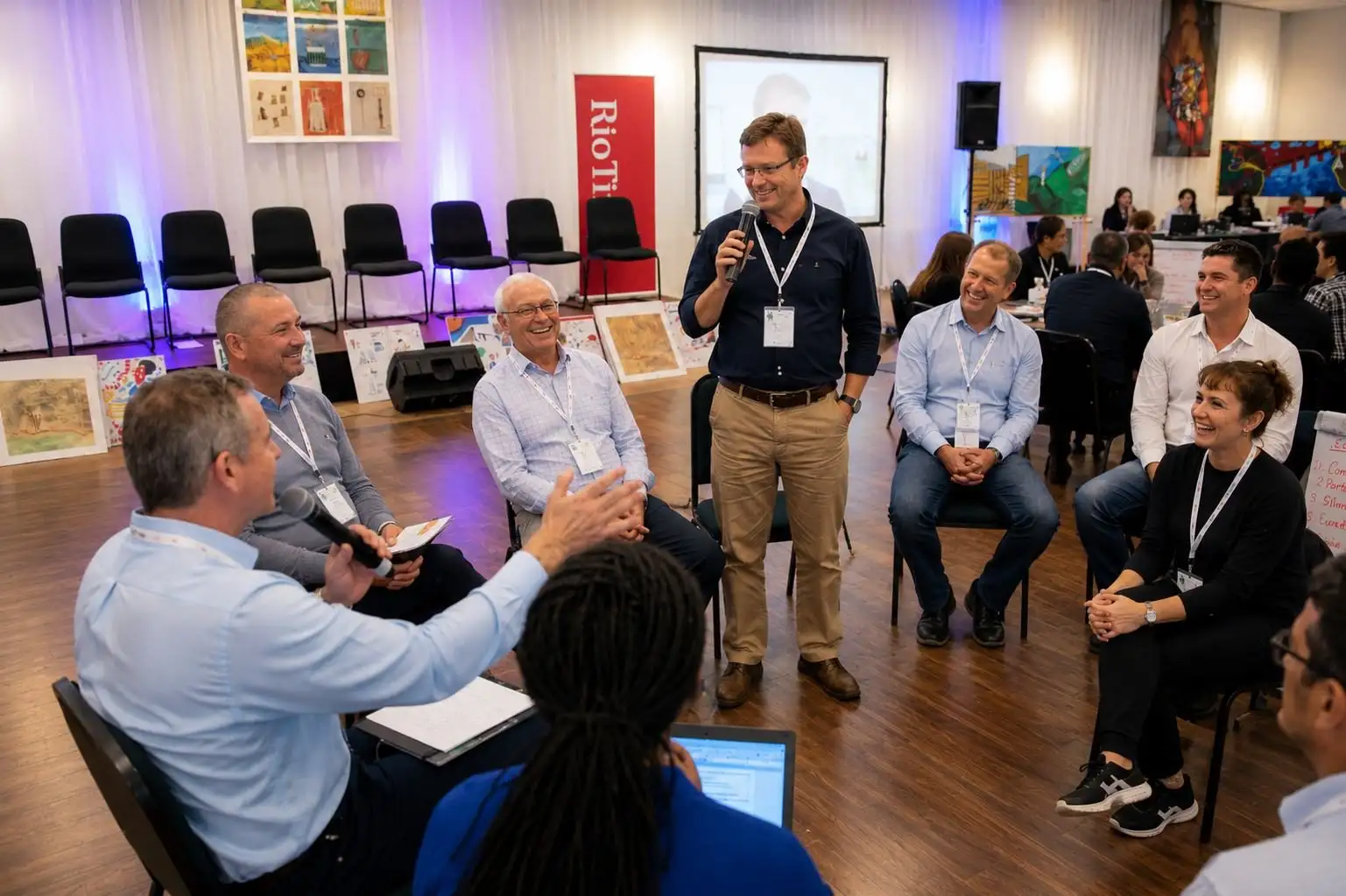
Participants seated in a circle in an office meeting room
Campfire burning at night

You already possess more wisdom than you realise. The Universal Life Cycle simply helps you discover it.

Three steps towards solving problems in Harmony

STEP 01 · THE PROBLEM

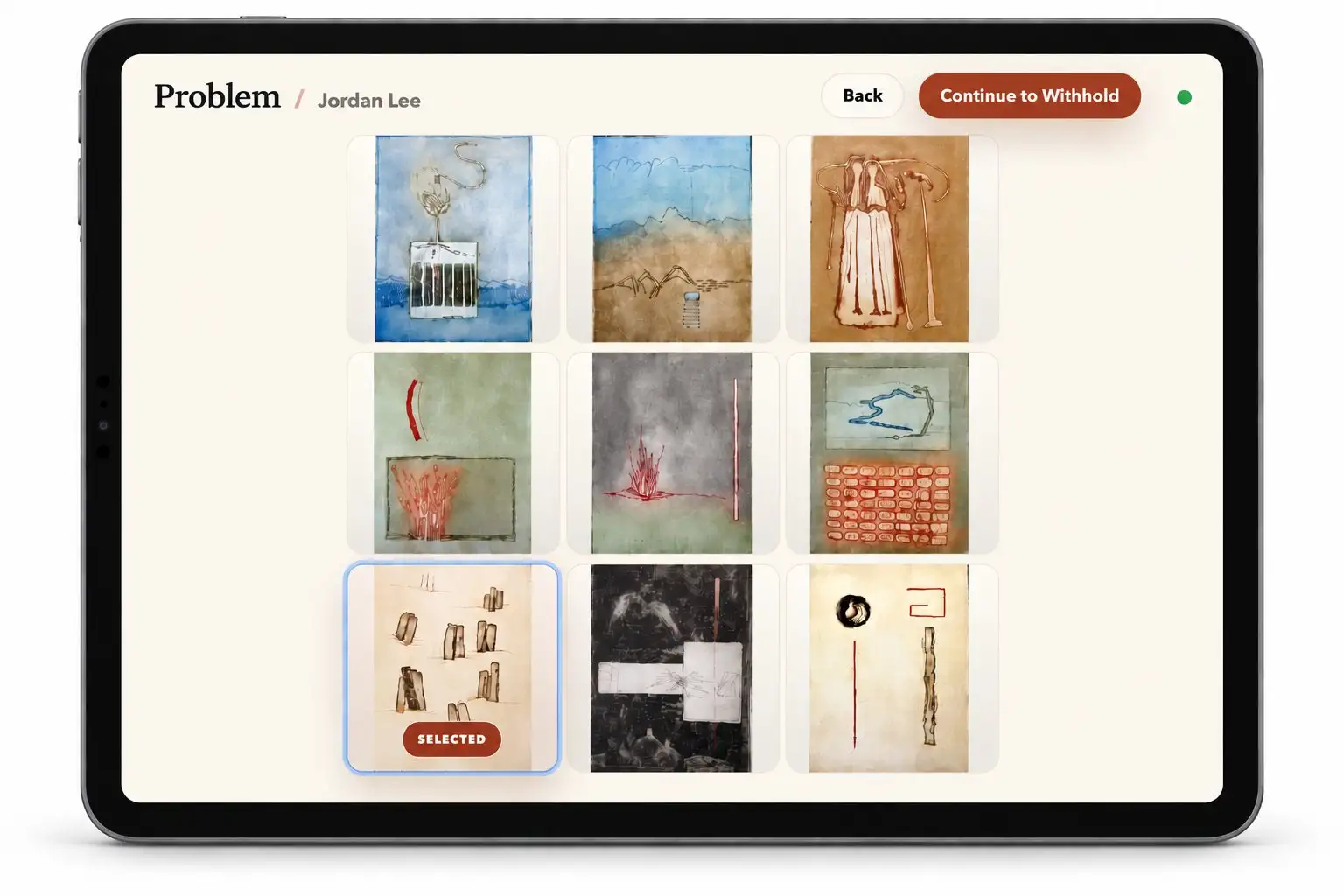
Every solution begins with recognising the real problem

Most people describe symptoms rather than the underlying issue. The artwork encourages you to slow down in silence, observe differently and see your challenge from a new perspective.

By externalising the problem through a metaphor, you create enough distance to explore it objectively instead of emotionally.

Kgotla ULC app on a tablet: a grid of artworks with one chosen for the problem

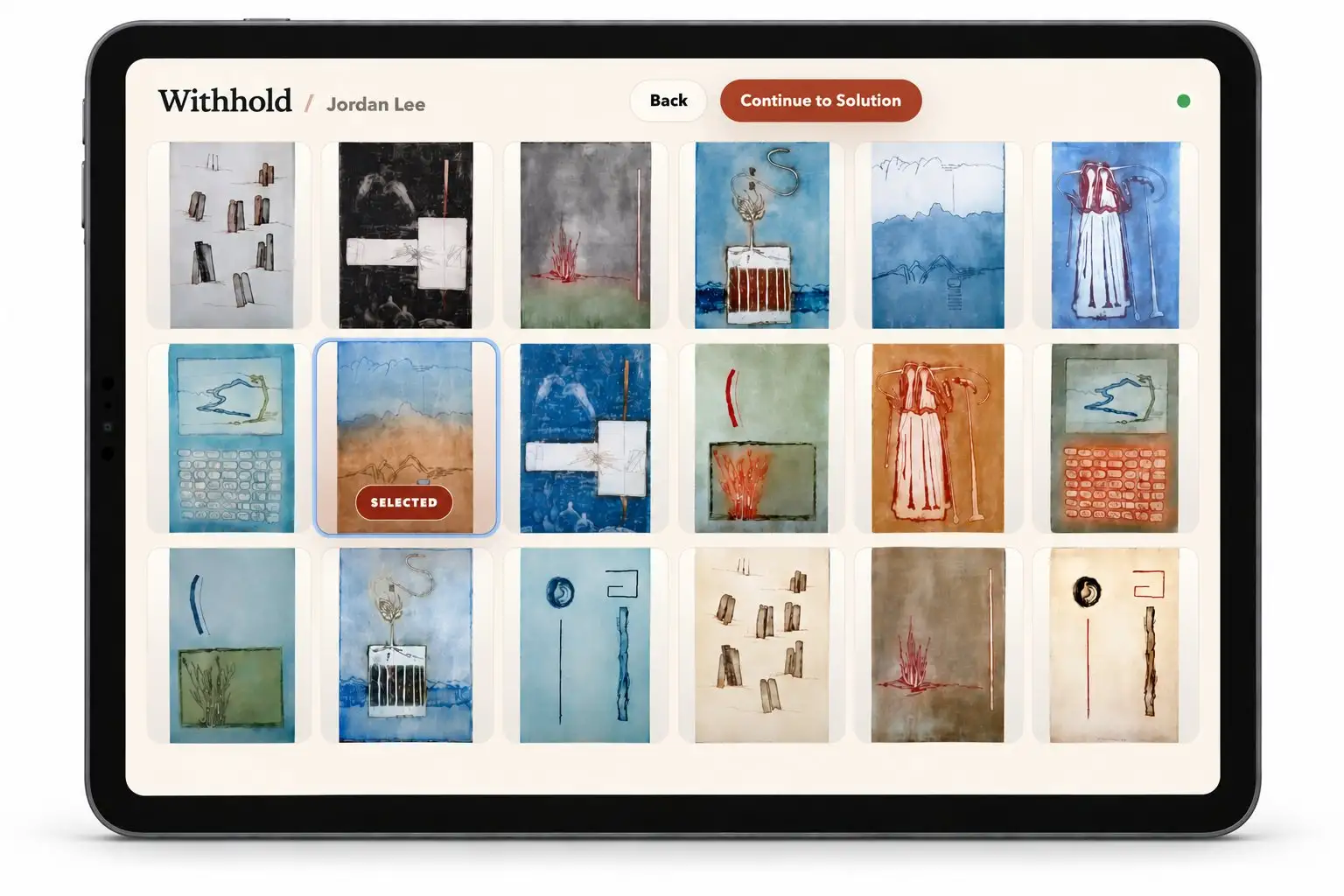
STEP 02 · WHAT HOLDS YOU BACK

Why do we often struggle to solve our own problems?

The second choice of the ULC artwork discovers what is holding you back. This choice represents what prevents you from moving forward to solve the problem. Often the obstacle is not the solution itself, but the story we unconsciously tell ourselves about it.

When these patterns become visible, new possibilities can emerge.

Kgotla ULC app on a tablet: a grid of artworks with one chosen for what holds you back

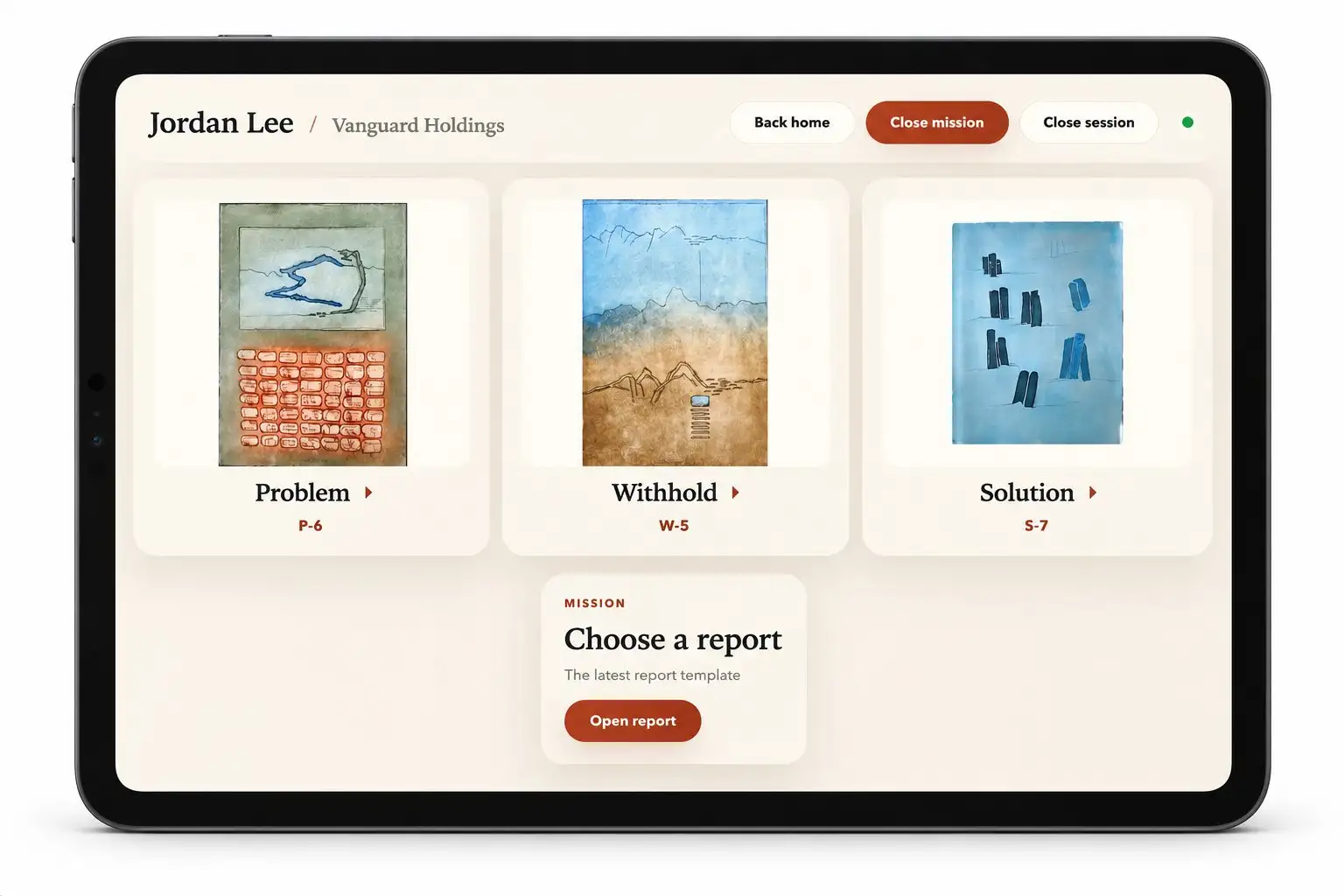
STEP 03 · THE SOLUTION

The third choice visualises the solution.

The solution often already exists within you, but many times we are not aware of it. The ULC-artwork is helping you recognise a direction, opportunity or action that already exists within you.

Rather than giving advice, the ULC helps you recognise the solution that already resonates with you.

Kgotla ULC app on a tablet: the chosen problem, withhold and solution artworks side by side

The Story Behind the Universal Life Cycle
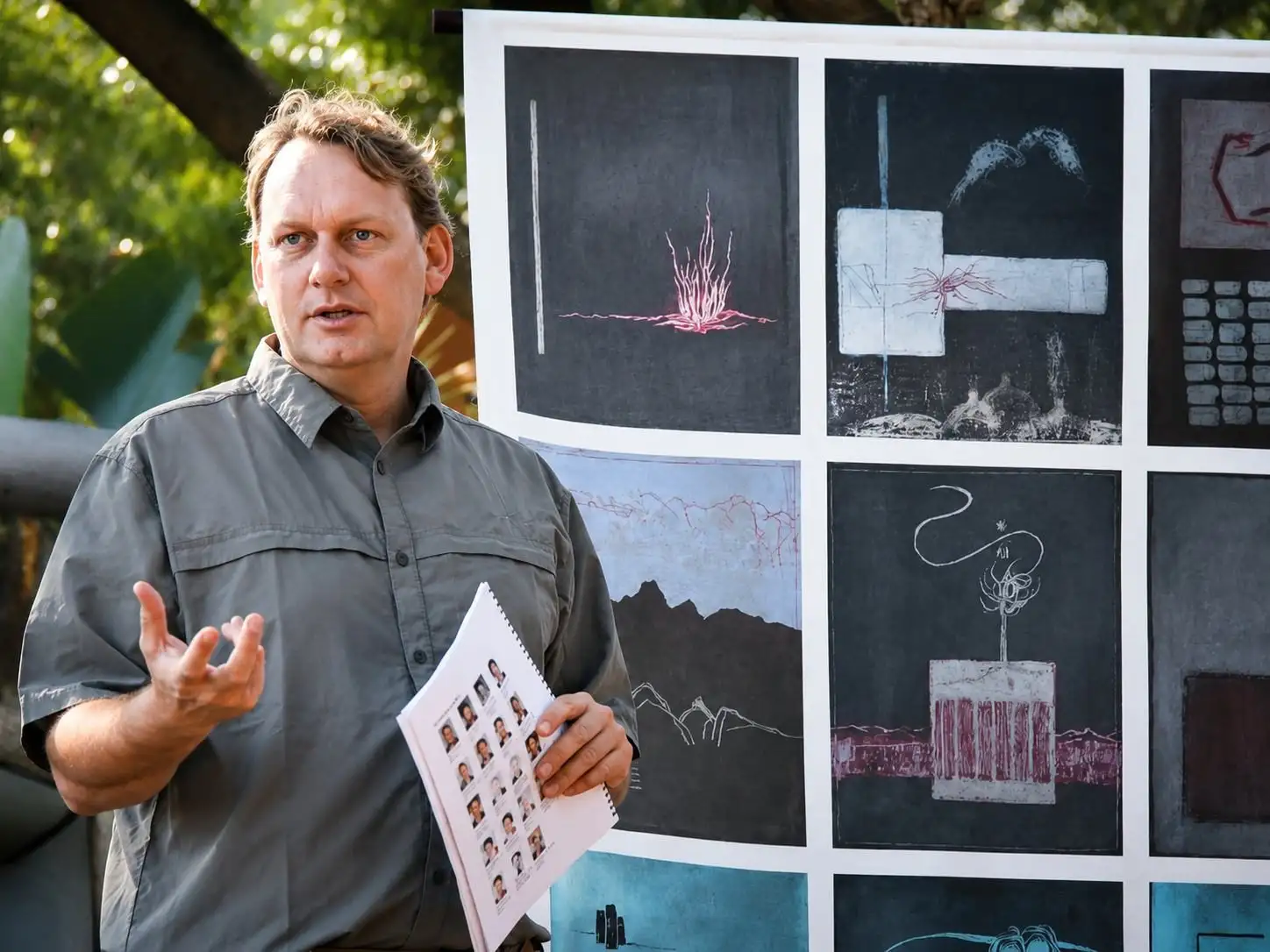
Facilitator holding a booklet in front of a wall of artworks

More than 30 years of leadership research, dialogue and practice

The Universal Life Cycle (ULC) did not begin as an app. It began as a search to understand why some individuals, teams and organisations are able to transform while others remain stuck in recurring patterns.

In 1994, Dutch leadership philosopher Willem de Liefde developed the Universal Life Cycle as a framework for understanding the relationship between Identity, Meaning and the Collective. To give these ideas a visual language, he collaborated with internationally renowned Dutch artist Jan Montyn, who created a unique series of symbolic etchings that became the foundation of the methodology.

Rather than commercialising the concept immediately, Willem spent almost nine years applying the artwork privately during leadership dialogues, organisational interventions and personal coaching. Thousands of conversations helped refine the methodology long before it became available to a wider audience.

In 2003, the Universal Life Cycle became one of the core methodologies behind Kgotla, where it has since been used in leadership development, organisational transformation, strategic dialogue and large-scale change programmes across the public and private sectors.
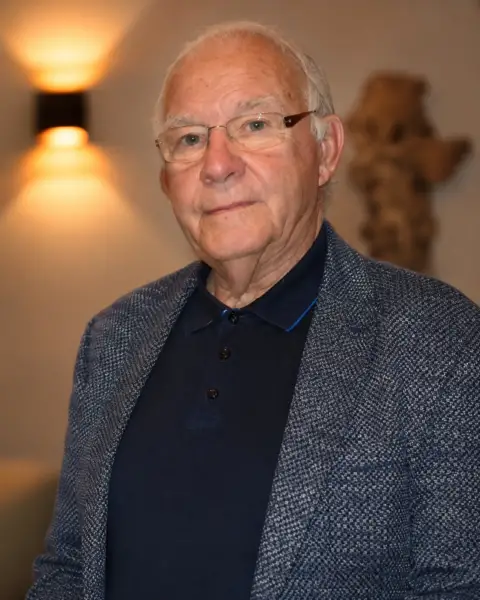
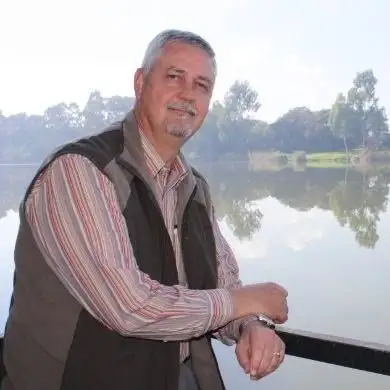
Willem de Liefde

“The quality of our future depends on the quality of the dialogue we first have with ourselves.”

— Willem de Liefde, Founder

OUR STORY

Thirty years of leadership practice

From a single idea in 1994 to a global digital platform — the Universal Life Cycle has been shaped by thousands of conversations, workshops and leadership programmes across four continents.

  1. 1994The Origin

    Willem de Liefde develops the Universal Life Cycle model. Dutch artist Jan Montyn creates the original symbolic etchings that become the visual language of the methodology.

  2. 1994 – 2026Continuous Refinement

    The methodology is tested and refined through leadership dialogues, coaching and organisational interventions. Rather than commercialising the concept immediately, Willem spent almost nine years applying the artwork privately. Thousands of conversations helped refine the methodology long before it became available to a wider audience.

  3. 2001Published Research

    African Tribal Leadership is published and research in South Africa begins. Over the following two decades, four books are published, documenting the philosophy, practical applications and continuing development of the methodology.

  4. 2003Kgotla Founded

    The Kgotla® Company is founded. The Universal Life Cycle becomes one of its core methodologies and has since been used in leadership development, organisational transformation, strategic dialogue and large-scale change programmes across the public and private sectors.

  5. 2003 – 2015European & African Reach

    Large-scale dialogue programmes delivered across Europe and Africa.

  6. 2004 – 2014Leadership Journeys

    Leadership journeys to Southern Africa with Sioo and Professor Jaap Boonstra.

  7. 2016 – 2025Global Philosophy

    Expansion of the philosophy with insights from Asia and Confucian thinking.

  8. 2026Digital Launch

    The Universal Life Cycle App launches, bringing more than three decades of leadership practice, symbolic art and dialogue together in a digital experience. The app is not intended to replace dialogue — it gives individuals and organisations worldwide access to the methodology. The technology is new. The methodology behind it has been evolving for over thirty years.

RECOGNITION

Professor Pieter van der Merwe

“Willem de Liefde constructed an ingenious matrix he calls the Universal Life Cycle (ULC) to help you understand yourself, your team and your company. This process leads to the realization that our success lies in working together in harmony to become a WE-driven organization.”

— Professor Pieter van der Merwe, Executive Dean, Faculty of Economic Sciences and Information Technology, North-West University, South Africa

FAQ

Questions Before You Begin Your Reflection

What makes the Universal Life Cycle different from personality assessments?

The Universal Life Cycle (ULC) is not a personality assessment or behavioural profile. Unlike tools such as MBTI®, DiSC®, Belbin®, CliftonStrengths®, Enneagram or other assessment models, the ULC does not categorise people into personality types or prescribe behaviours. The key distinction is that MBTI®, DiSC®, Belbin®, CliftonStrengths® and the Enneagram are primarily frameworks for understanding characteristics, preferences, strengths or behavioural patterns of a person or team. They tend to answer questions such as: What type am I? How do I tend to behave? What are my strengths? What role do I naturally take in a team?

The Universal Life Cycle is fundamentally different. It does not classify you, give you a personality type or define who you are. It is a situational reflection and dialogue tool: it asks, What is happening now? How do I perceive this challenge? What may be holding me back? And what could be the way forward? Through silence, intuition and symbolic art, it helps surface perspectives and knowledge that may not emerge through rational analysis alone.

Personality tools help you understand who you are. The Universal Life Cycle helps you understand where you are.

Rather than categorising people into types, traits or roles, the Universal Life Cycle uses art as an objective mirror to explore a specific situation—revealing the challenge, the hidden barrier and a possible way forward. It can be used individually or collectively, turning personal perception into dialogue and shared understanding.

Instead, the Universal Life Cycle helps you understand your current situation. Through symbolic artwork, it creates a situational analysis that reveals how you perceive a specific challenge today. The focus is not on who you are, but on where you are in your personal, professional or organisational journey and how you can move forward with greater awareness.

Why does the app use artwork instead of questionnaires?

Traditional questionnaires engage the rational mind. The Universal Life Cycle App uses symbolic artwork because images communicate directly with the subconscious mind.

When people select an artwork intuitively, they often recognise emotions, assumptions and hidden patterns that are difficult to express through words alone. The artwork functions as an objective mirror, stimulating reflection, creativity and deeper self-awareness.

Rather than asking you to analyse yourself, the artwork allows you to discover new insights naturally.

Can I use the app without a coach?

Yes. The Universal Life Cycle App is designed for individual reflection and can be used independently whenever you are facing a leadership challenge, important decision or personal question.

Many coaches, facilitators and organisations also use the app as preparation for coaching sessions, leadership development programmes or team dialogues. The app provides a structured process that supports both personal use and facilitated conversations.

Is there a right or wrong image?

No.

There are no correct or incorrect choices within the Universal Life Cycle methodology. The purpose is to select the artwork that intuitively resonates with your current situation before analysing its meaning.

Every person brings different experiences, emotions and perspectives. The value lies not in choosing the "best" image, but in discovering why a particular image attracted your attention. This often becomes the starting point for meaningful reflection and dialogue.

How does symbolic art reveal subconscious thinking?

Our subconscious stores experiences, emotions, memories and beliefs that influence our daily decisions without us always being aware of them.

Symbolic artwork communicates differently from language. Instead of providing fixed answers, it encourages free association and personal interpretation. This process helps bring subconscious knowledge into conscious awareness.

The Universal Life Cycle uses original symbolic etchings as visual metaphors, allowing leaders, teams and organisations to explore challenges from perspectives that rational analysis alone may not reveal.

How long does a ULC session take?

A typical individual session takes between 15 and 30 minutes, depending on the complexity of the challenge and the depth of reflection.

Leadership coaching sessions using the Universal Life Cycle usually last between 60 and 90 minutes, while team and organisational dialogue sessions can range from a few hours to full-day workshops.

The methodology is flexible and can be applied in both personal reflection and large-scale organisational transformation programmes.

Can organisations use the app with teams?

Absolutely.

The Universal Life Cycle has been developed not only for individuals but also for leadership teams, organisations and communities.

Teams can use the methodology to explore strategic challenges, improve collaboration, strengthen organisational culture, facilitate change management and build collective understanding around complex issues.

Many organisations use the Universal Life Cycle as part of leadership development, strategic planning, innovation sessions and organisational transformation initiatives.

Is my data stored securely?

Yes.

Your privacy and confidentiality are important to us. Information entered into the Universal Life Cycle App is processed securely using modern security standards.

Your personal reflections remain confidential and are never shared with other users.

Organisations using the platform can also implement additional security and privacy settings according to their own requirements.

Who developed the Universal Life Cycle?

The Universal Life Cycle (ULC) was developed by Willem de Liefde, who spent decades researching leadership, dialogue, consciousness and organisational transformation.

To express these concepts visually, Willem collaborated with renowned Dutch artist Jan Montyn, who created the original series of symbolic etchings that form the foundation of the Universal Life Cycle methodology.

Today, the methodology continues to be developed through Kgotla and is applied in leadership coaching, organisational development, executive education and community dialogue around the world.

Where can I learn more about the methodology?

You can explore the Universal Life Cycle through this website, our books, articles and case studies, which explain the philosophy, methodology and practical applications in greater detail.

We also offer leadership workshops, coaching programmes, organisational dialogue sessions and certification opportunities for facilitators who wish to integrate the Universal Life Cycle into their own leadership or consulting practice.

If you would like to experience the methodology yourself, the best place to start is by completing your first Universal Life Cycle journey using the app. It is the most direct way to understand how symbolic artwork can transform awareness into meaningful action.

The Kgotla ULC app on a tablet

Ready to discover new purpose?

Every breakthrough begins with seeing your challenge differently. Start your Universal Life Cycle journey today and discover how symbolic artwork can help transform awareness into meaningful action.